


Exploring the psychology of risk in gambling decisions
The Nature of Risk in Gambling
Understanding the nature of risk is crucial in the context of gambling. Risk, in gambling, refers to the potential loss versus the potential gain associated with various betting decisions. Players often engage in risk-taking behaviors, driven by the allure of large rewards despite the odds being stacked against them. This dichotomy creates a complex psychological landscape where the thrill of risk can overshadow logical decision-making. Many people explore options like https://reef33-casino.com/ to gain insights into their gambling habits.
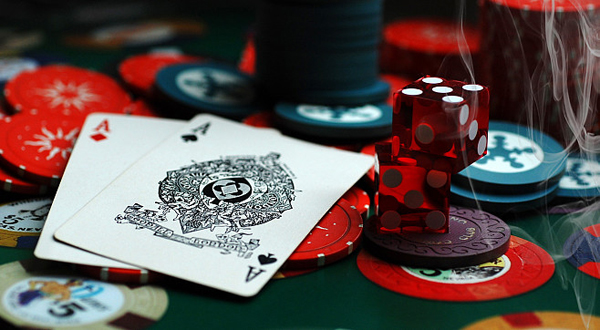
The perception of risk varies significantly among players. For some, the adrenaline rush of placing a bet can be exhilarating, creating a positive reinforcement loop. Others may view gambling through a more analytical lens, calculating probabilities and potential outcomes. This variance influences how individuals approach their gambling choices and the overall enjoyment they derive from the experience.
Cognitive Biases and Gambling Decisions
Cognitive biases play a substantial role in how gamblers make decisions. For example, the illusion of control often leads players to believe they can influence outcomes through their actions, even in games based purely on chance. This belief can cause individuals to engage in riskier behaviors, believing they have a better chance of winning than reality suggests.
Additionally, biases such as confirmation bias can lead players to remember their wins while disregarding their losses. This selective memory reinforces risky behavior, as gamblers may continue to wager more, convinced of their impending success. Understanding these cognitive biases can help players recognize the irrationality in their decision-making processes.
The Emotional Impact of Gambling Risks
The emotional component of gambling decisions cannot be understated. Players often experience a rollercoaster of emotions, from excitement and anticipation to despair and regret. High-stakes bets can trigger intense feelings, leading to a state of euphoria when winning or devastation when losing.
These emotions can significantly affect future gambling decisions. A big win might encourage further risk-taking, while a loss might lead to chasing losses—a common behavior where individuals bet more in an attempt to recover what they have lost. This emotional volatility highlights the need for self-awareness in gambling practices to mitigate adverse outcomes.
The Role of Environment in Gambling Behavior
The environment in which gambling occurs can amplify risk-taking behaviors. For instance, casinos and online platforms are designed to create an immersive experience that encourages players to engage more deeply and take risks. Bright lights, sounds, and the social aspect of gambling can all contribute to a heightened state of arousal, making players more likely to make impulsive decisions.
Online gambling environments, such as those offered by various platforms, further complicate this dynamic. The convenience and anonymity can lead to more significant risk-taking since players might feel less accountable for their actions. Understanding how environment influences decision-making can help individuals make more informed choices about their gambling habits.

Discovering More at Reef 33 Casino
For those interested in exploring their gambling psychology further, Reef 33 Casino provides an exciting online platform. With a diverse selection of over 7,000 licensed games and enticing promotions, players have plenty of opportunities to test their risk tolerance and decision-making strategies in a controlled environment.
The casino’s user-friendly experience allows players to enjoy gaming while being mindful of their emotional and cognitive responses to risk. With quick cash-out times and numerous bonuses, Reef 33 Casino promotes responsible gaming while providing a thrilling experience that can enhance one’s understanding of gambling psychology.